
Call Now
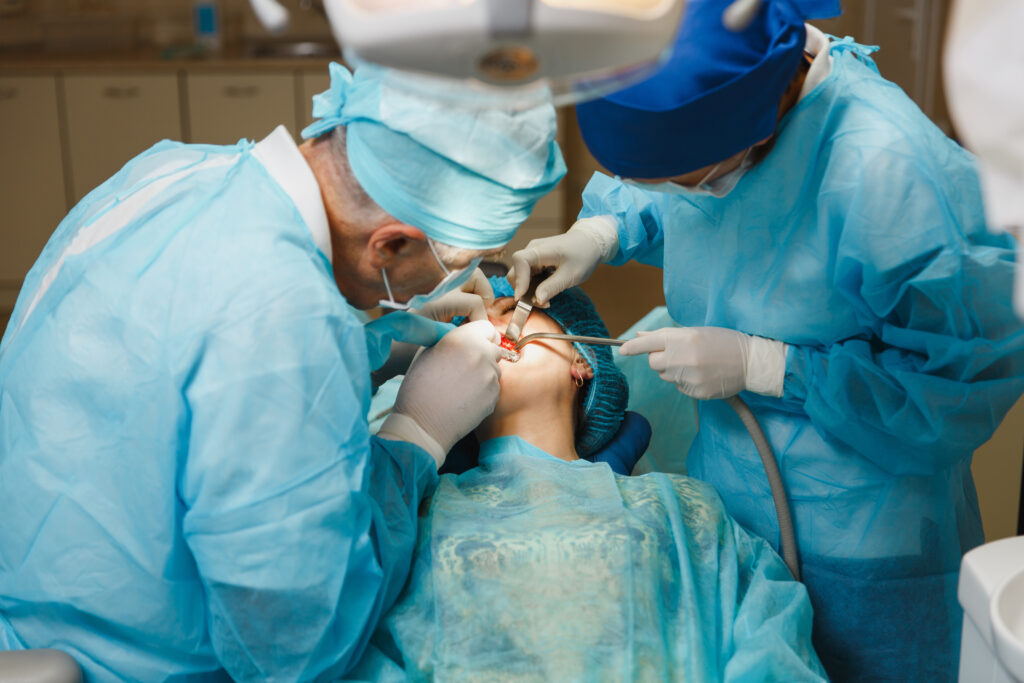
Oral surgery encompasses a wide range of procedures addressing both functional and aesthetic concerns. Wisdom tooth removal ranks among the most common procedures, particularly for impacted teeth causing pain or crowding. Tooth extractions address severely damaged or infected teeth that cannot be saved, while dental implant placement surgically positions titanium posts in the jawbone to support permanent tooth replacements. Bone grafting rebuilds areas of bone loss, corrective jaw surgery repositions misaligned jaws to improve bite and facial balance, and surgical treatment of oral infections, cysts, and tumors prevents complications and preserves healthy tissue. Proper preparation helps ensure smooth procedures and optimal recovery, and your surgeon will provide specific pre-operative instructions based on your procedure and anesthesia type.
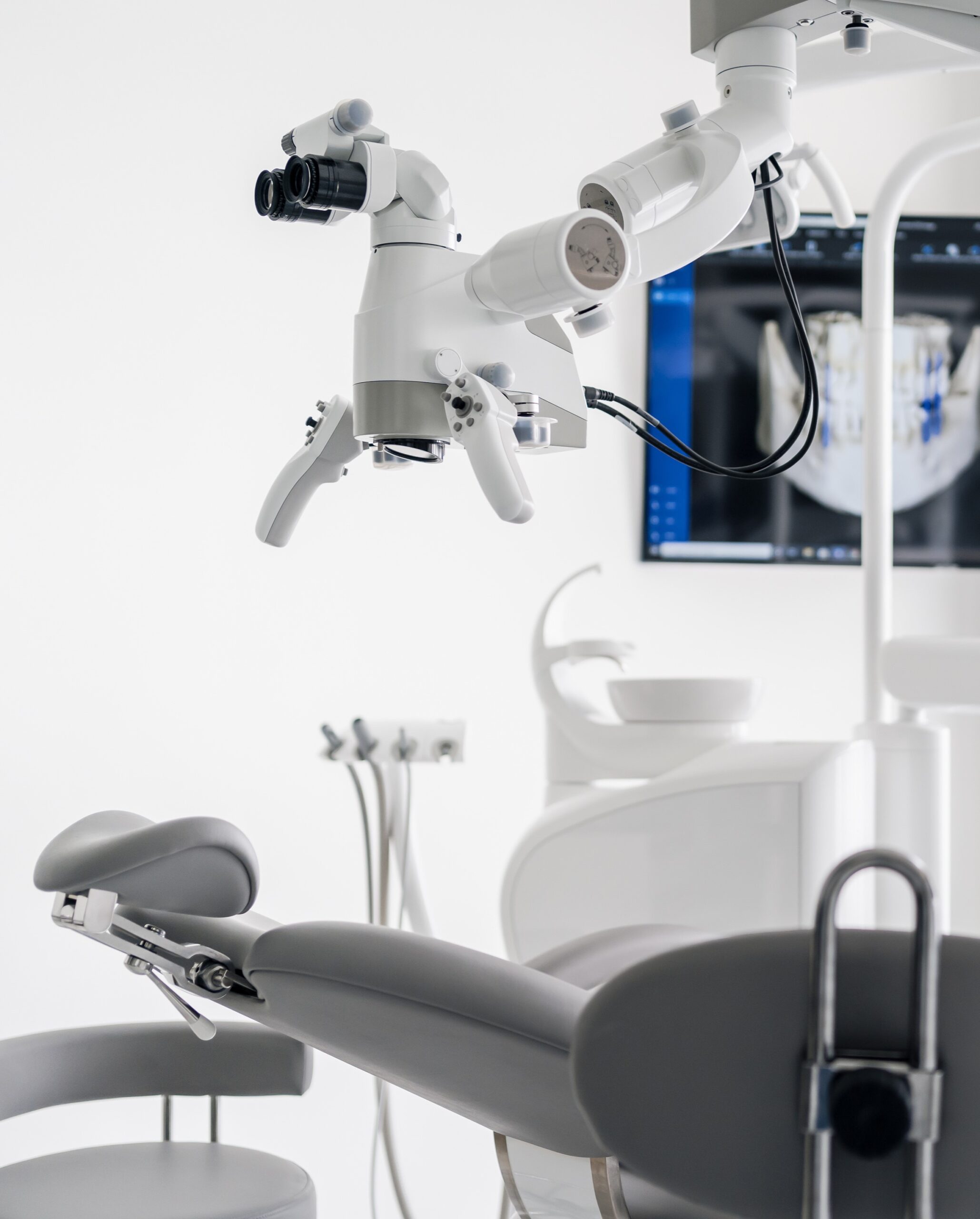
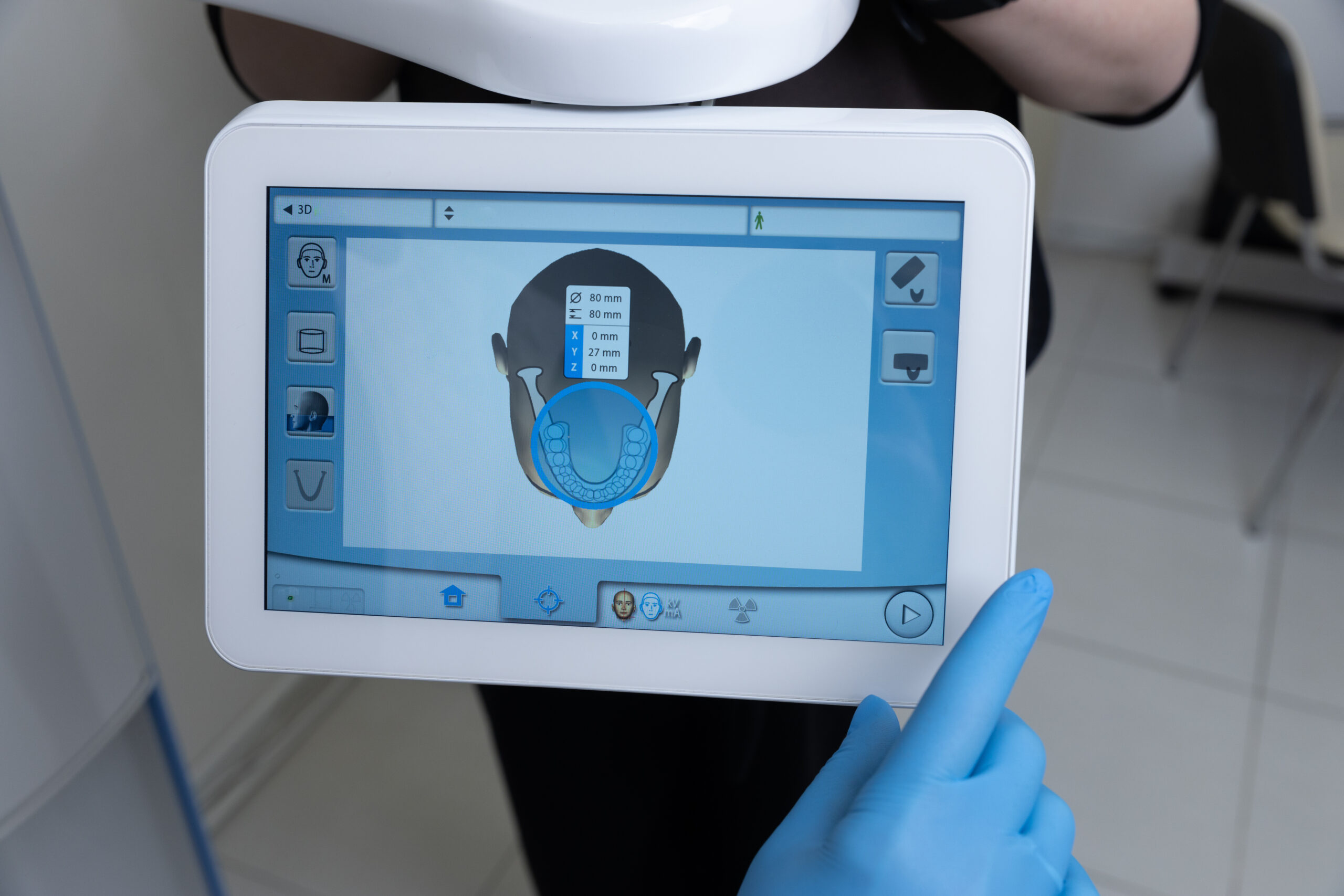
Our investment in cutting-edge surgical technology enhances precision and improves patient outcomes across all procedures. 3D cone beam CT imaging provides detailed visualization of bone structure, nerve pathways, and anatomical relationships for accurate surgical planning. Digital surgical guides and virtual planning software allow us to rehearse complex procedures before entering the operating room, reducing surgical time and improving accuracy. Advanced anesthesia monitoring systems track vital signs continuously, and piezoelectric instruments use ultrasonic vibrations to cut bone while preserving soft tissue. Together, these technologies mean less invasive procedures, reduced recovery times, and more predictable surgical results.
We perform a comprehensive range of oral surgery procedures, including tooth extractions and the surgical removal of broken or impacted teeth, wisdom teeth removal at all stages of development, and dental implant placement with bone grafting. We also provide pre-prosthetic surgery to prepare the mouth for dentures or bridges, apicoectomy to remove infected tooth root tips, and treatment of oral infections and facial swelling.


Successful recovery depends on following post-operative instructions tailored to your specific procedure. We provide detailed written guidelines covering pain management, dietary restrictions, activity limitations, and wound care. Most patients manage discomfort effectively with prescribed medications and ice packs during the first 48-72 hours, and soft food diets typically last 3-7 days as healing progresses. Avoid strenuous activity, smoking, and drinking through straws during initial recovery to prevent complications. Most patients return to normal activities within one to two weeks, though complete healing may take several weeks to months for complex procedures, and our team remains available throughout your recovery.