
Call Now

Orthognathic surgery represents one of oral and maxillofacial surgery's most sophisticated procedures, requiring extensive planning and precise execution. This surgery corrects developmental abnormalities, congenital conditions, and acquired deformities affecting jaw position and facial structure.
Patients seek orthognathic surgery to address skeletal and functional concerns that impact both oral health and quality of life. Common conditions include significant jaw misalignment affecting chewing efficiency, breathing difficulties related to skeletal structure, and facial asymmetry from uneven jaw development. The procedure is particularly beneficial for individuals with severe bite problems that orthodontics alone cannot resolve.
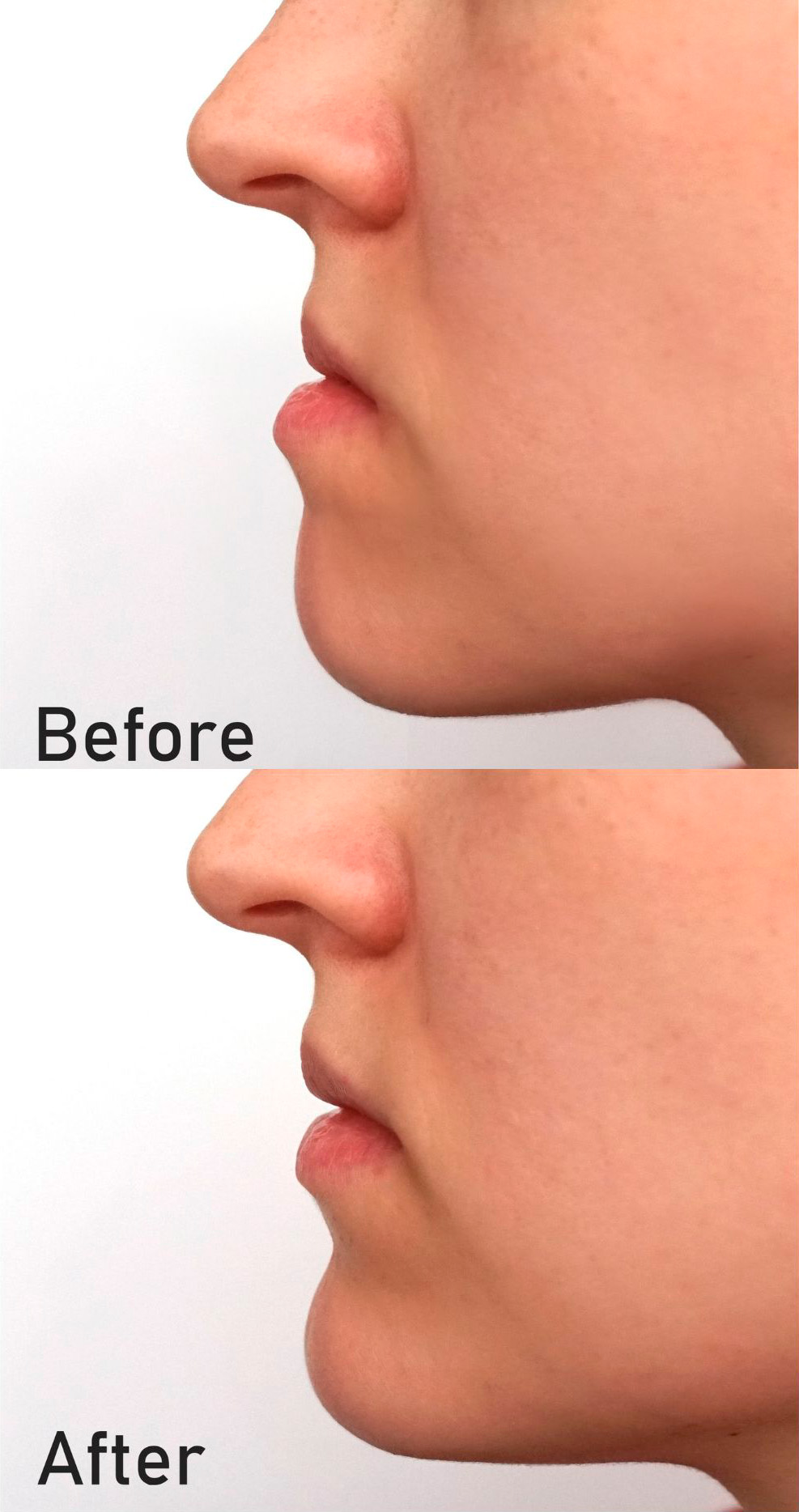
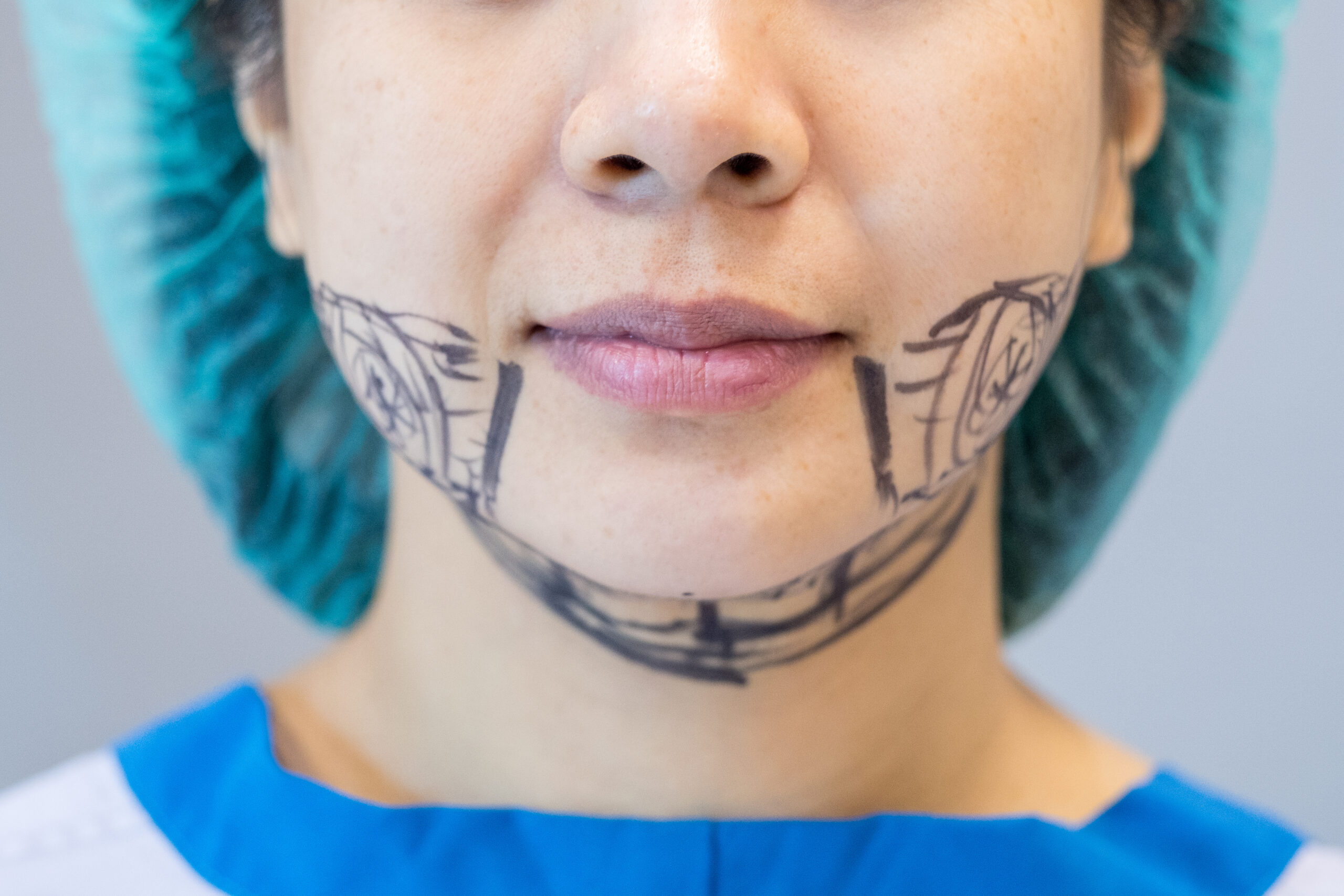
Various skeletal discrepancies and functional problems benefit from orthognathic surgery, including difficulty chewing, chronic jaw pain, speech problems, and self-consciousness about facial appearance. Orthognathic surgery addresses all these concerns simultaneously.
Common indications include Class II malocclusion (overbite) where the lower jaw sits too far back, Class III malocclusion (underbite) with the lower jaw protruding forward, open bite preventing the front teeth from touching when the jaws close, asymmetric jaw growth creating facial imbalance, sleep apnea resulting from jaw position affecting airway space, and TMJ disorders caused by severe jaw misalignment. By repositioning the jaws into proper alignment, the procedure improves bite function, enhances facial balance, and can resolve associated issues such as temporomandibular joint problems and obstructive sleep apnea in select cases.
Orthognathic surgery follows a meticulously planned treatment sequence that typically spans several months from initial consultation to final results. The process begins with comprehensive diagnostic evaluation including detailed imaging, dental impressions, and facial analysis to determine the precise nature and extent of skeletal discrepancies. Advanced technology enables surgeons to create detailed treatment plans that predict outcomes and guide surgical execution.
Pre-surgical orthodontics plays a critical role in preparing patients for jaw repositioning, aligning teeth within their respective jaw bones to create the foundation for optimal surgical correction. The surgical procedure involves carefully repositioning jaw bones to optimal positions, secured with titanium plates and screws that allow immediate function while the bones heal. Surgeons access the jaw bones through intraoral incisions when possible, minimizing visible scarring. Post-surgical recovery requires careful monitoring as bones heal, with graduated diet modifications and follow-up orthodontic treatment to fine-tune the bite relationship for long-term stability.