
Call Now
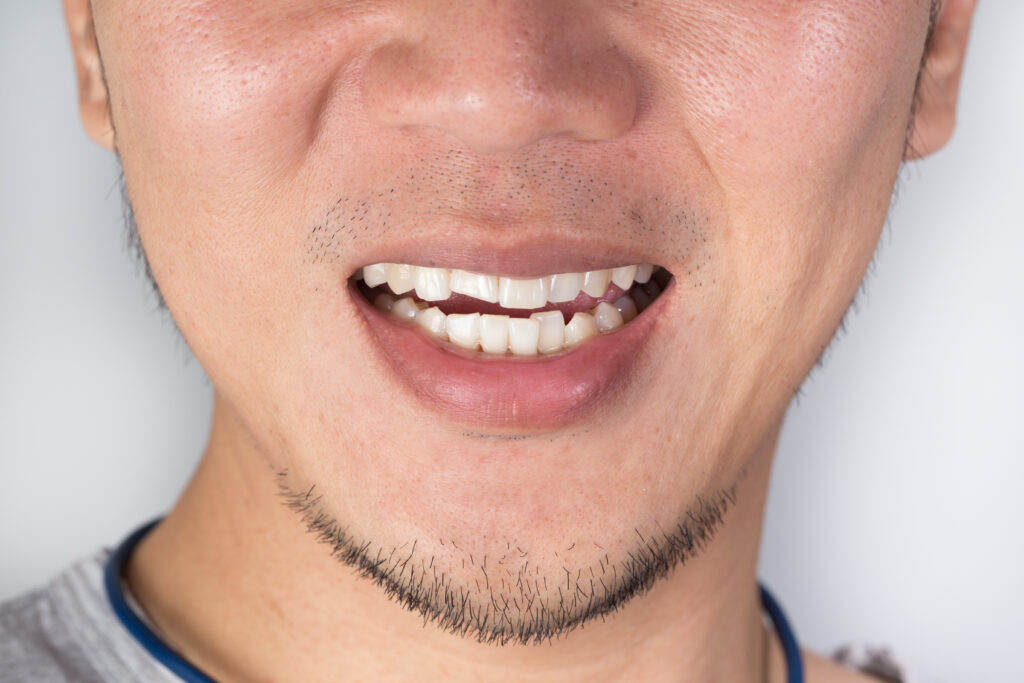
Traumatic dental injuries require immediate professional attention to preserve your oral health and potentially save damaged teeth. Our board-certified oral and maxillofacial surgeons provide comprehensive emergency care, from knocked-out teeth to complex facial injuries, serving patients throughout Westchester County and the tri-state area with urgent surgical intervention when minutes matter most. Dental trauma encompasses a wide range of injuries, each requiring specific treatment approaches — whether from a sports injury, motor vehicle accident, or unexpected fall. Common types include tooth avulsion (a tooth completely knocked out, requiring reimplantation within 30 minutes for the best chance of survival), crown fractures that expose sensitive inner layers or nerve tissue, root fractures below the gum line, and alveolar bone fractures that damage the bone supporting teeth. Immediately after trauma, handle a knocked-out tooth only by the crown, gently rinse with milk or saline if dirty, attempt to reposition it in the socket or keep it moist in milk or saliva, control bleeding with gentle pressure, apply ice, and contact us right away.
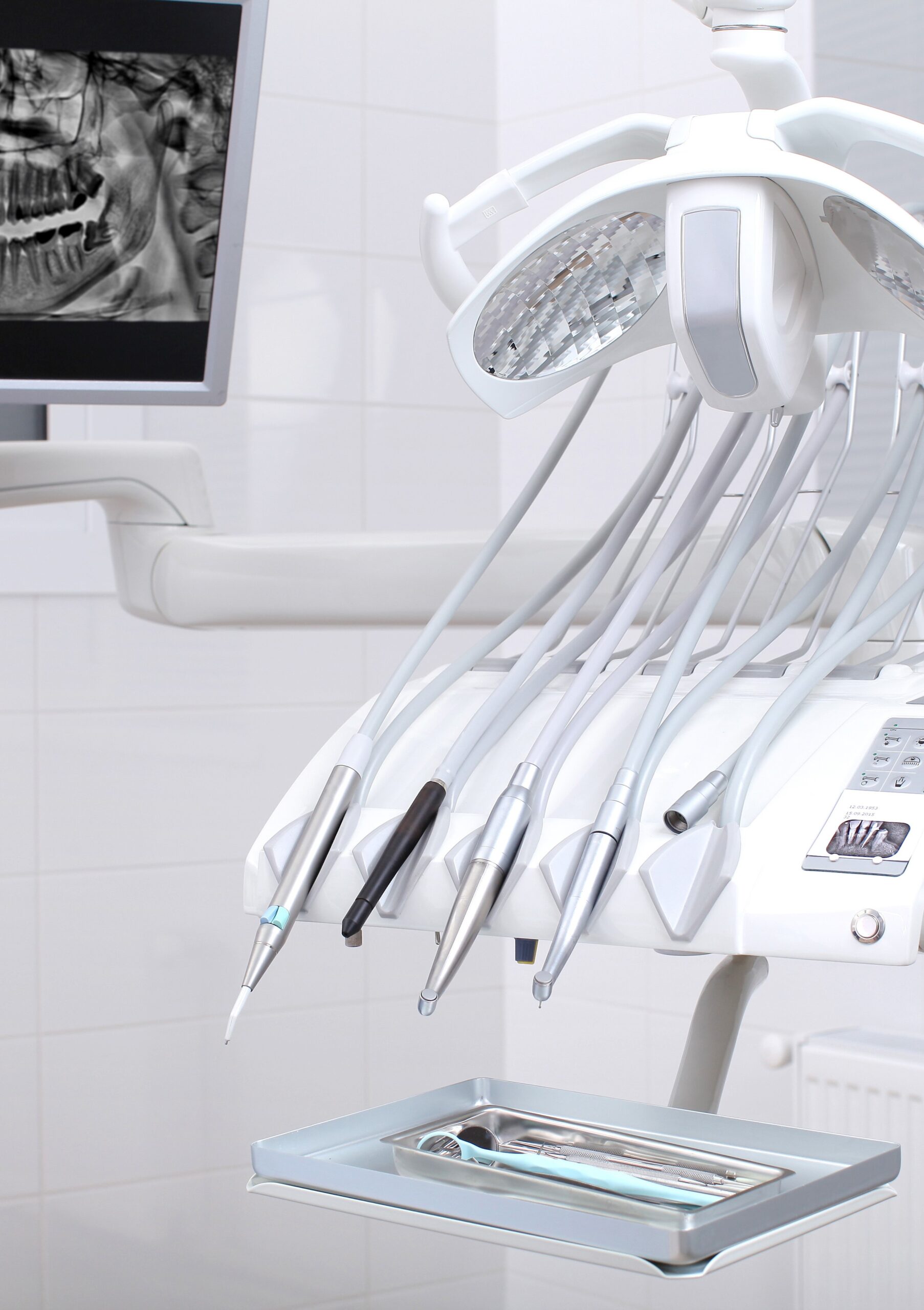
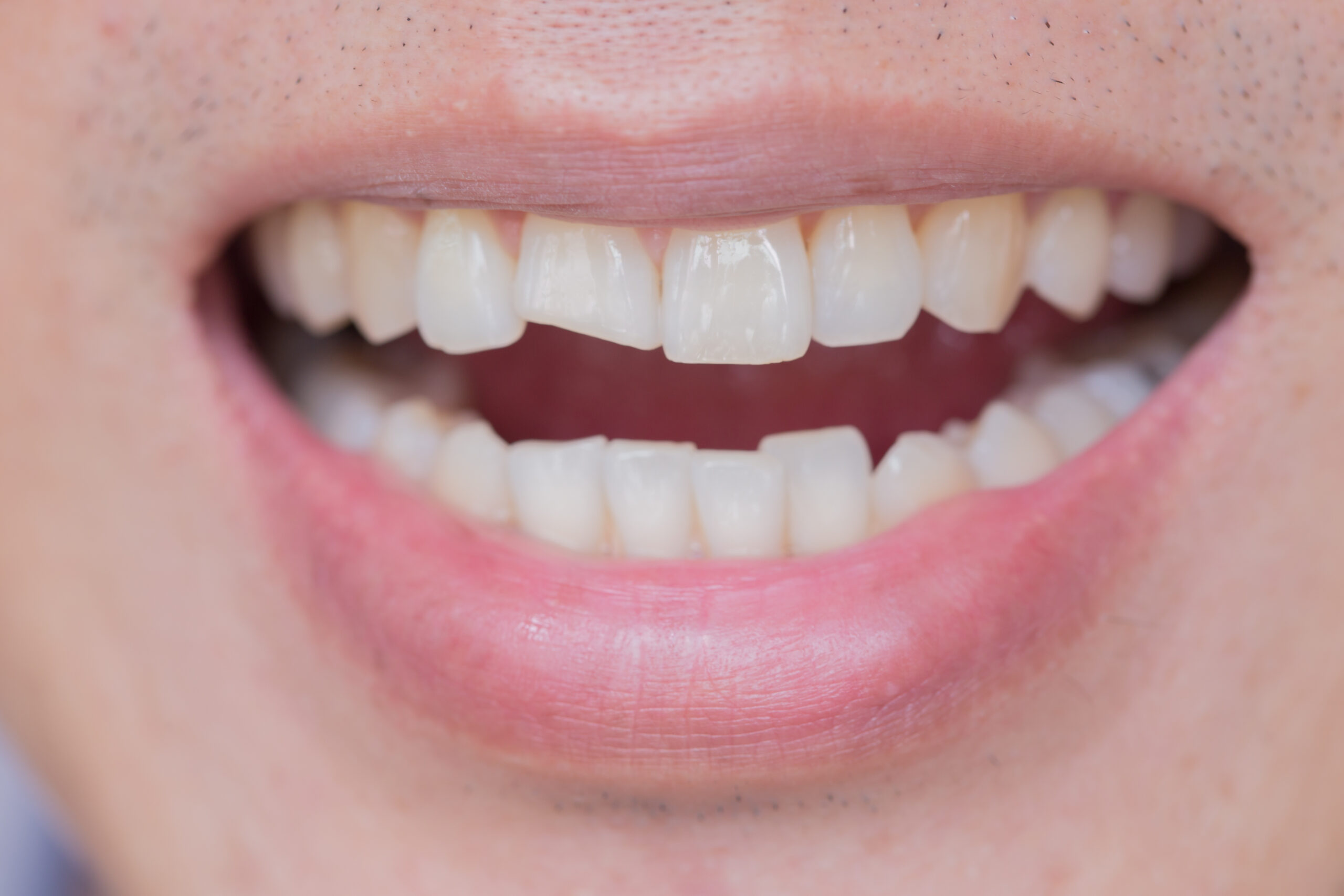
Our surgical approach combines immediate stabilization with long-term reconstruction planning. Emergency treatment begins with comprehensive clinical and radiographic examination to assess all injuries. We perform tooth reimplantation and splinting to stabilize avulsed or displaced teeth, repair both tooth and bone fractures using advanced fixation techniques, and reconstruct soft tissue lacerations and contusions while minimizing scarring and preserving function. We coordinate with general dentists and endodontists for comprehensive care, including root canal therapy when pulp damage occurs, and provide follow-up monitoring to track healing and identify potential complications.
Athletic activities account for a significant percentage of traumatic dental injuries, particularly in contact sports and high-impact activities. Our surgeons regularly treat injuries from basketball, football, hockey, soccer, and martial arts. Prevention strategies include wearing properly fitted mouthguards during all athletic activities, replacing damaged or ill-fitting protective equipment regularly, and seeking immediate evaluation after any oral or facial impact. Custom athletic mouthguards fabricated by dental professionals provide superior protection compared to over-the-counter options. Young athletes face particular vulnerability during tooth development stages, making prevention and immediate treatment critical for preserving developing permanent teeth.

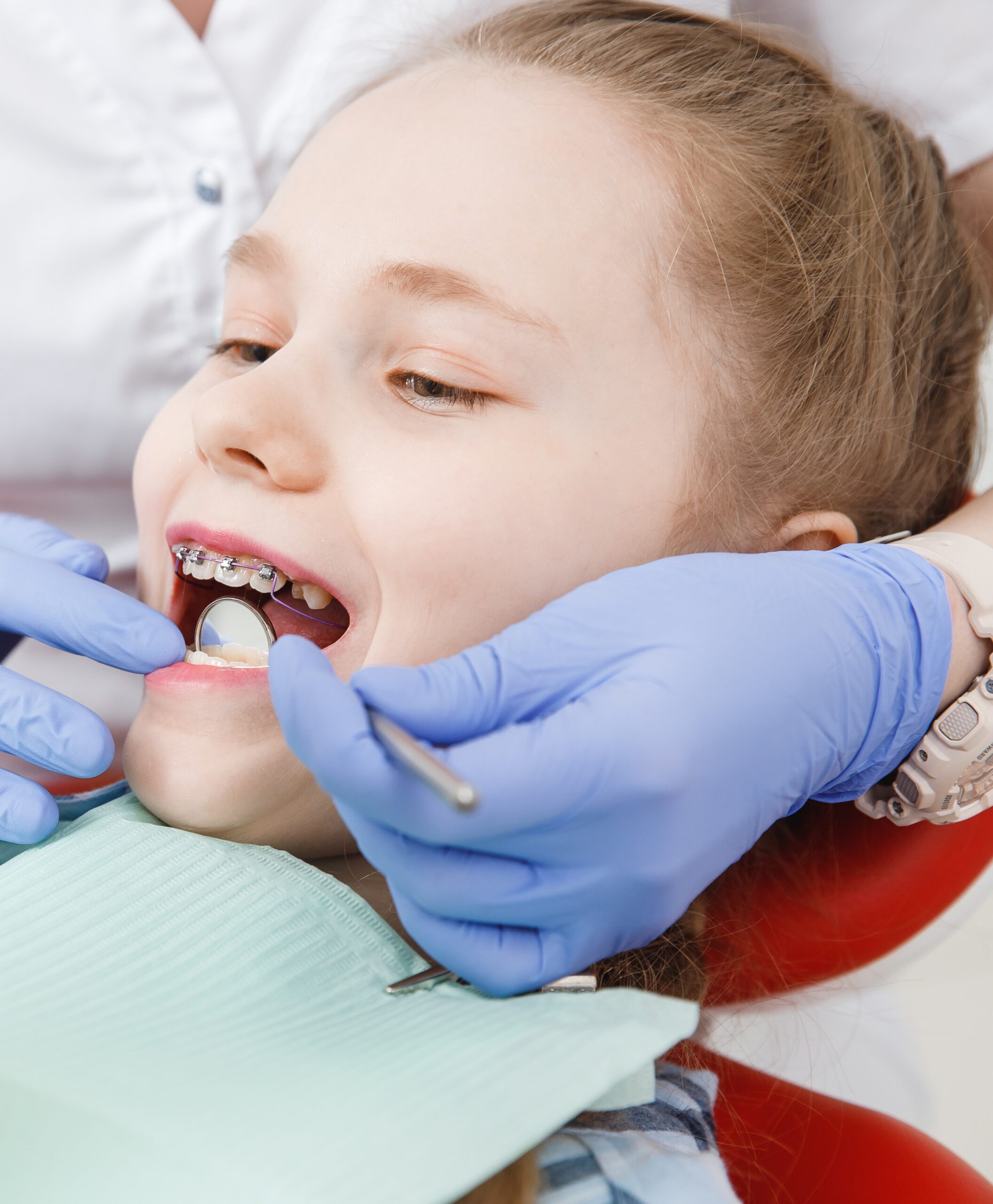
Children experience dental injuries at higher rates than adults due to developing coordination, active lifestyles, and risk-taking behaviors. Treatment approaches differ for primary versus permanent teeth. Primary tooth injuries require assessment to prevent damage to developing permanent teeth beneath, while permanent tooth trauma demands immediate intervention to preserve teeth during critical developmental periods. Our surgeons work closely with pediatric dentists to provide age-appropriate care that considers growth and development factors. Parents should establish emergency action plans, keep our contact information readily accessible, and ensure children wear protective equipment during sports and recreational activities.
Severe accidents sometimes cause injuries extending beyond teeth to facial bones and soft tissues. Our hospital-based surgical training prepares us to manage these complex cases requiring coordinated treatment. Maxillofacial fractures affecting cheekbones, eye sockets, or jaw require surgical reduction and fixation, and combined tooth and bone injuries demand comprehensive reconstruction addressing both immediate stability and long-term function. We assess nerve damage to determine if specialized treatment is needed for sensory changes, and our surgical team coordinates with medical specialists when injuries involve multiple body systems. Successful recovery requires careful long-term management: most reimplanted teeth require splinting for two to three weeks, root canal therapy often becomes necessary several weeks after trauma, and long-term monitoring continues for years, since some complications develop gradually. Prevention remains the ideal approach — wear protective equipment, address bite problems or protruding teeth, childproof homes, avoid using teeth as tools, and keep up regular dental examinations.