
Call Now

Temporomandibular joint disorders affect millions of people, causing chronic pain, limited jaw movement, and diminished quality of life. Our board-certified oral and maxillofacial surgeons provide comprehensive TMJ and TMD treatment for patients throughout Greenwich, Westchester County, and the tri-state area. When conservative treatments fail to provide relief, our advanced surgical training enables us to offer effective solutions for even the most complex temporomandibular joint conditions.
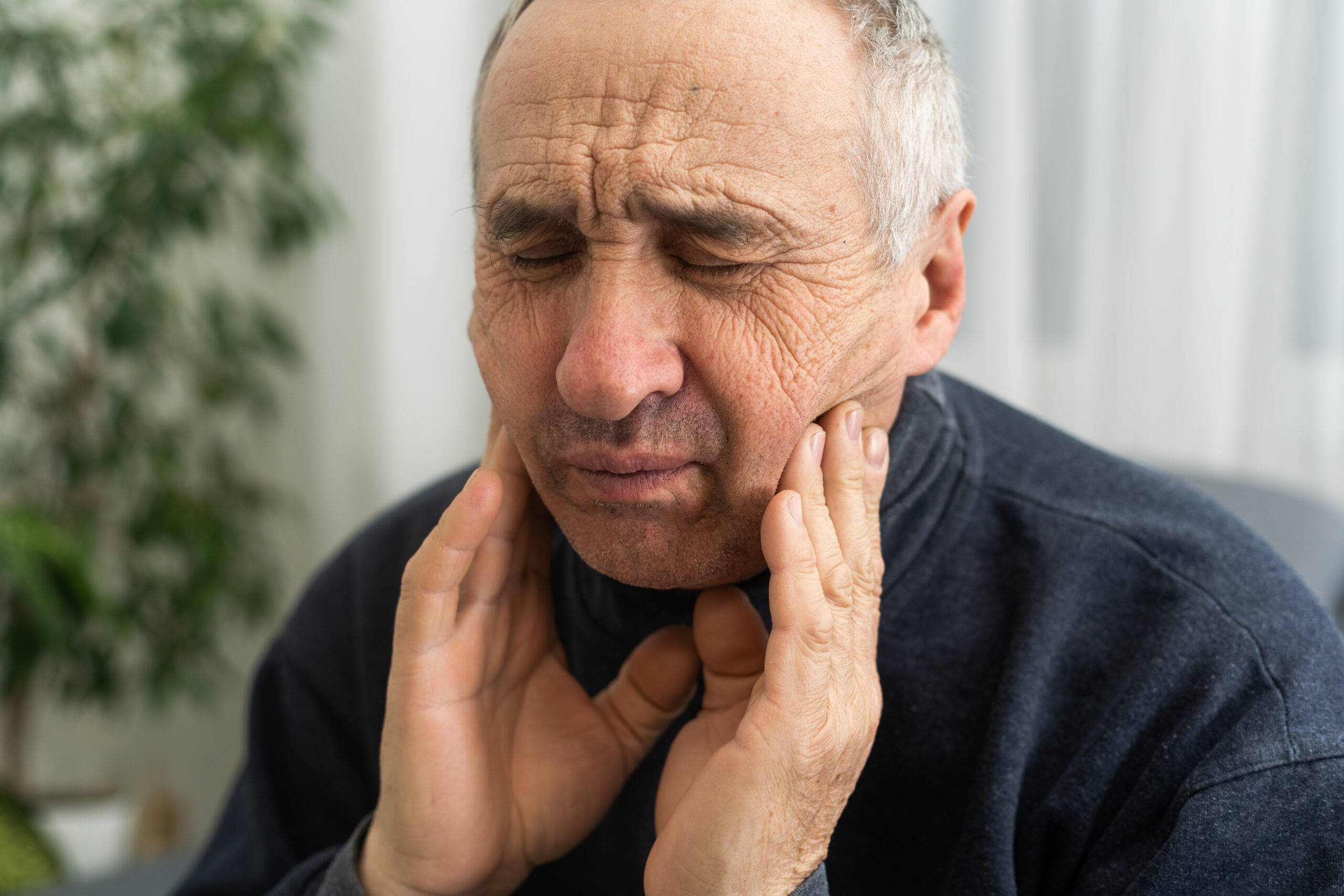
The temporomandibular joint connects your lower jaw to your skull, functioning as a complex hinge allowing movement for speaking, chewing, and yawning. TMD encompasses various conditions affecting this joint and surrounding muscles. Common symptoms include persistent jaw pain or tenderness, clicking or popping sounds during jaw movement, difficulty opening or closing the mouth completely, pain radiating to the face, neck, or shoulders, and frequent headaches or earaches. Most cases respond well to conservative treatments such as physical therapy, custom oral appliances or night guards, anti-inflammatory medications, muscle relaxants, and stress management before any surgical intervention is considered.
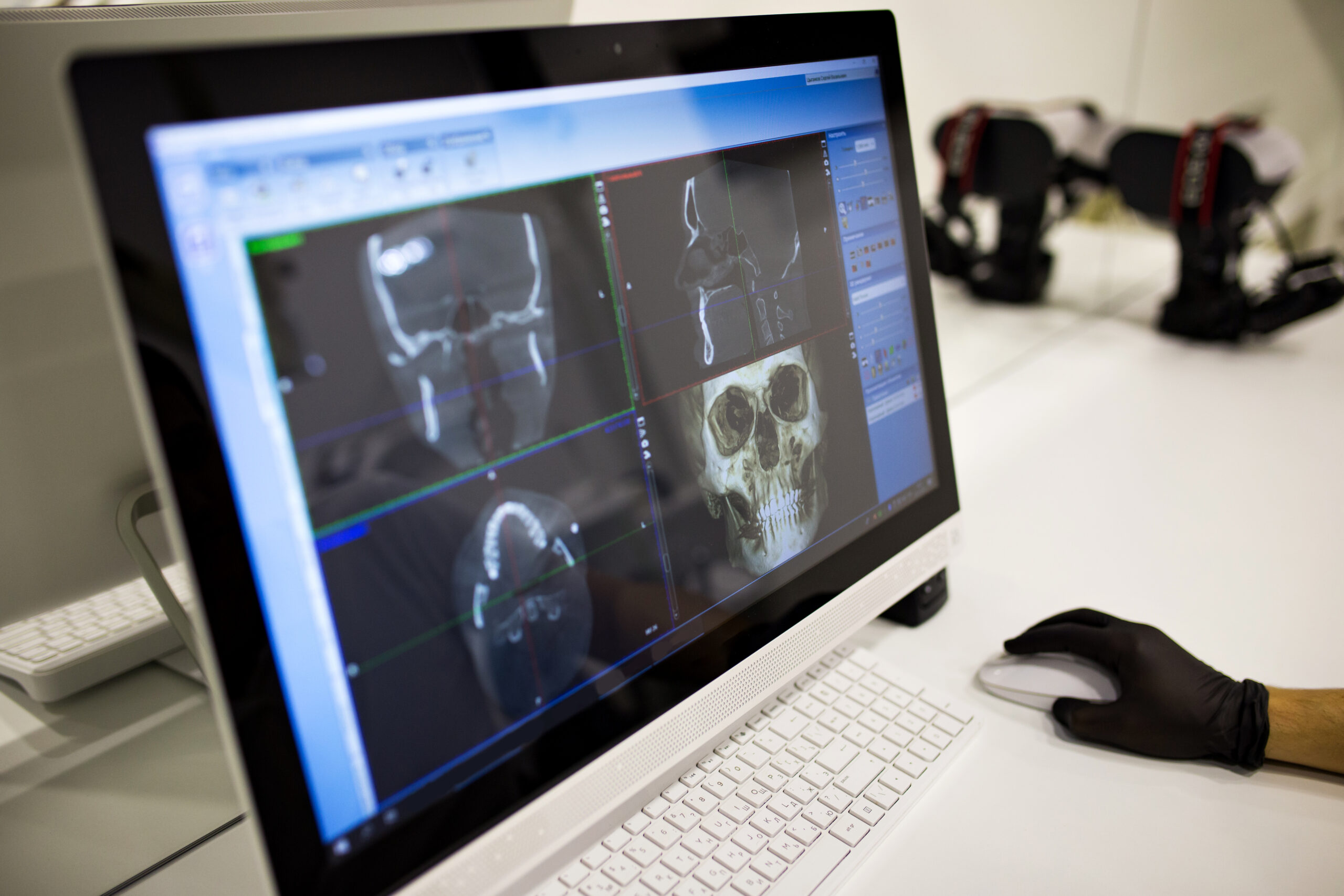
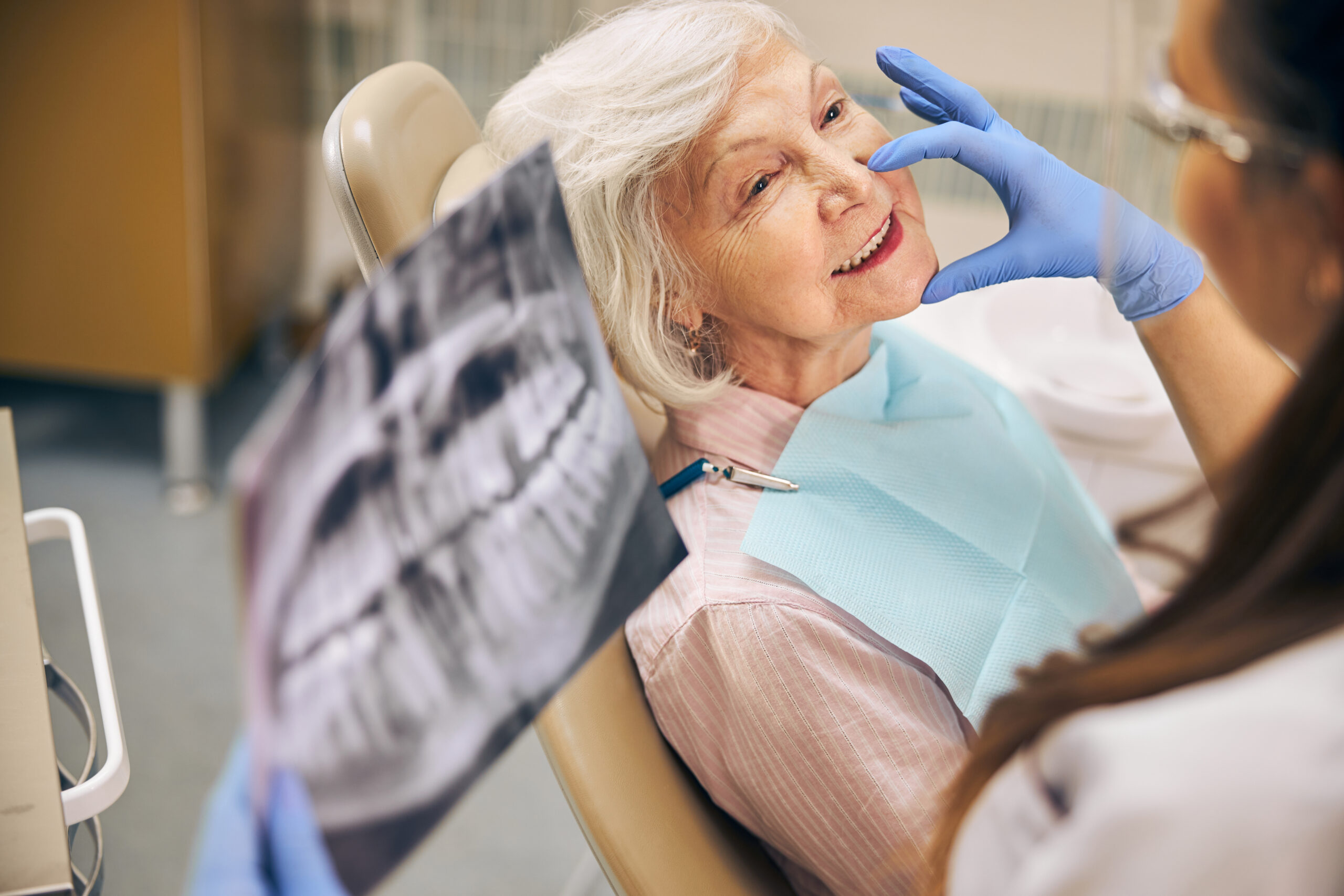
Accurate TMJ diagnosis requires sophisticated imaging and clinical evaluation. Our practice utilizes 3D cone beam CT scanning to visualize joint structures, bone positioning, and potential abnormalities with unprecedented detail, revealing conditions impossible to detect with traditional dental X-rays. Comprehensive clinical examination assesses jaw movement patterns, muscle tenderness, joint sounds, and bite relationships. We analyze how your teeth fit together, as malocclusion frequently contributes to TMJ disorders, and a detailed medical history review identifies trauma, arthritis, or other systemic conditions affecting joint function.
When conservative treatments provide inadequate relief, surgical intervention may become necessary. Our surgeons offer several approaches depending on your specific condition. Arthrocentesis involves minimally invasive joint lavage removing inflammatory byproducts and improving joint mobility. Arthroscopy utilizes small incisions and camera guidance to visualize and treat internal joint problems with minimal tissue disruption. Disc repositioning surgery addresses displaced articular discs preventing normal joint function. Joint replacement becomes necessary for severe arthritis or structural damage, utilizing prosthetic joints to restore function and eliminate pain. Our hospital-based surgical training prepares us to perform these complex procedures safely and effectively.
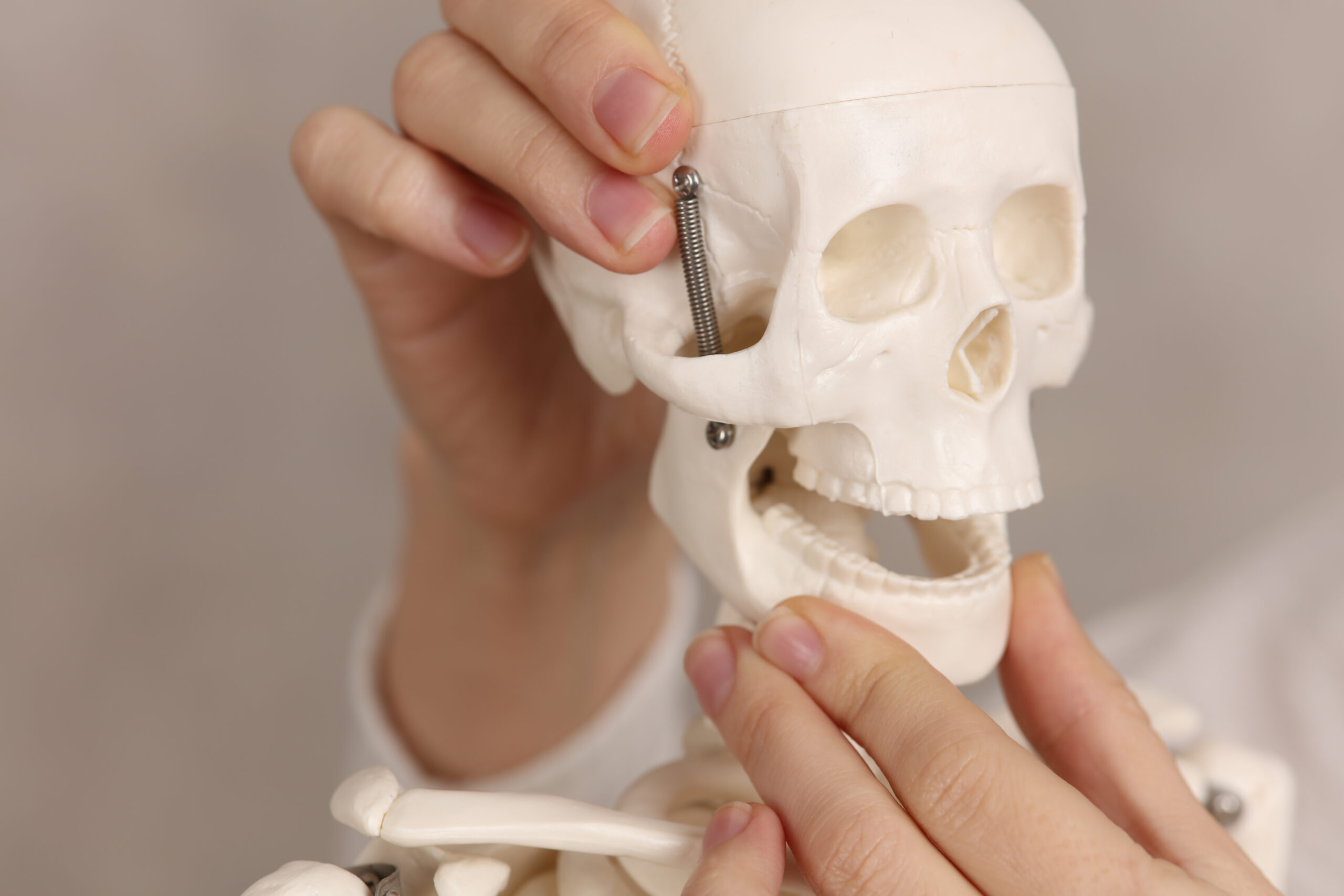
Many TMJ disorders stem from underlying jaw misalignment or structural abnormalities. Corrective jaw surgery, known as orthognathic surgery, addresses these fundamental problems by repositioning jaws into proper alignment. This comprehensive approach treats TMJ symptoms while correcting the structural causes contributing to joint dysfunction. Patients requiring both TMJ treatment and jaw realignment benefit from our specialized training in orthognathic surgery. We evaluate whether correcting jaw position might eliminate or reduce your TMJ symptoms, potentially avoiding isolated TMJ surgery.