
Call Now
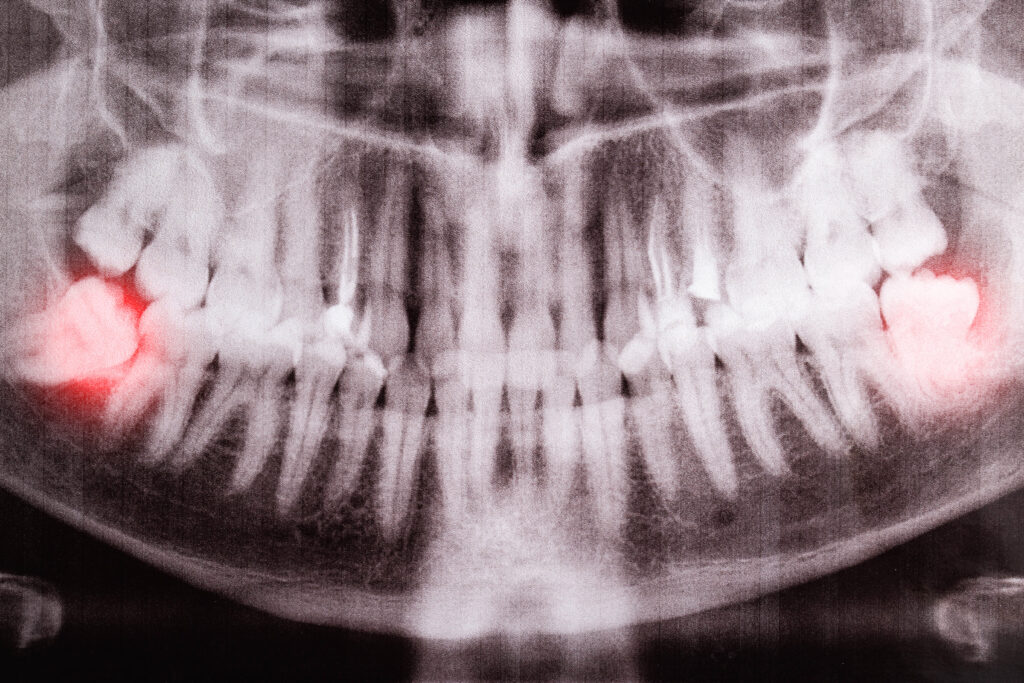
Impacted wisdom teeth can cause significant oral health issues if left untreated. When teeth remain trapped beneath the gum line or grow at incorrect angles, they create pockets where bacteria accumulate, leading to painful infections, cysts, damage to neighboring teeth, and potential jaw complications. Early removal prevents these problems before they develop into more serious conditions requiring complex treatment.
Most oral surgeons recommend wisdom tooth removal in the late teens or early twenties, when roots are still developing and bone is less dense. Younger patients typically experience faster healing and fewer complications. However, wisdom teeth can be safely removed at any age when problems arise. During your consultation, we use advanced 3D imaging to assess your specific situation and recommend the most appropriate timing.

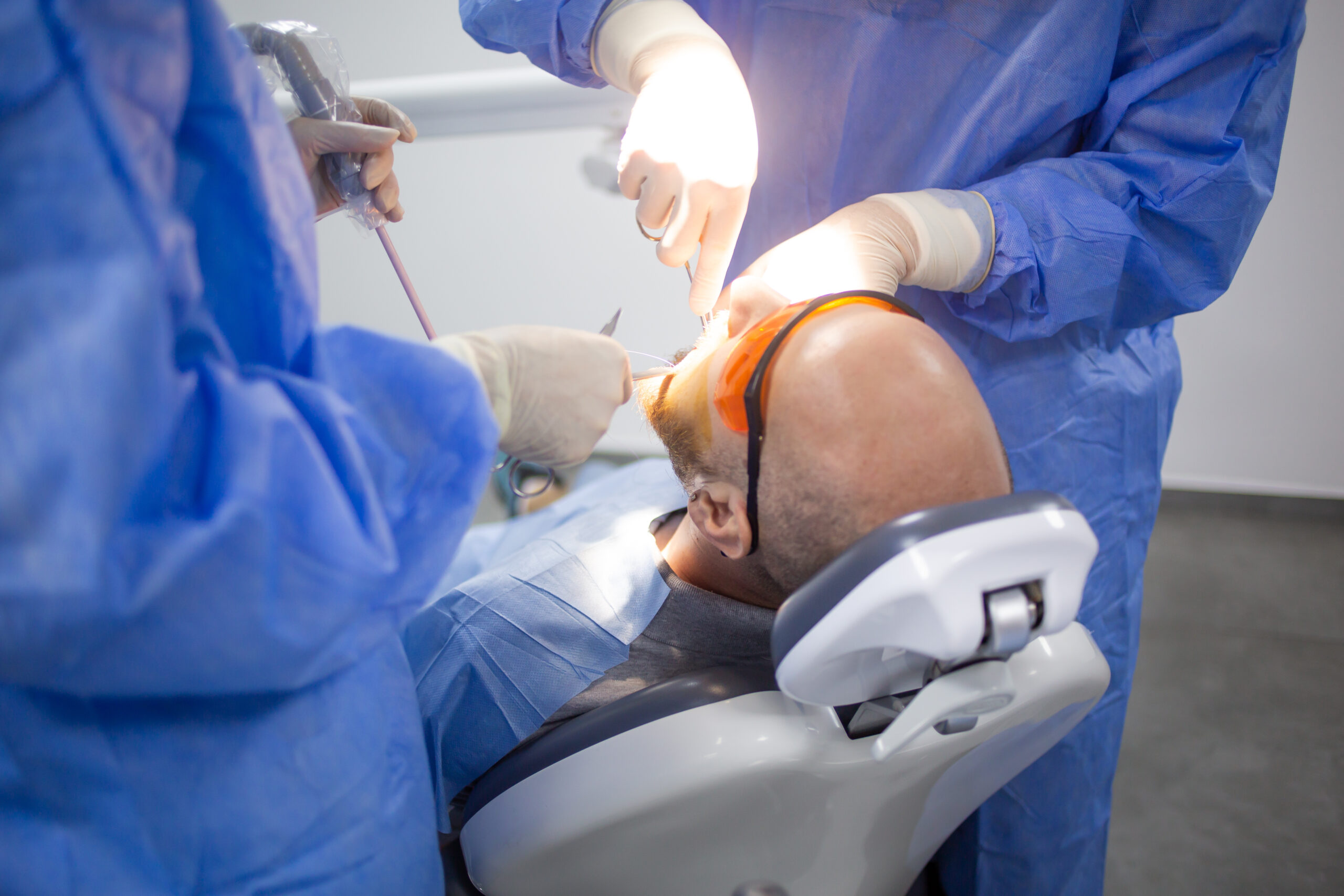
Wisdom tooth extraction at our practice combines surgical precision with patient comfort. We begin with comprehensive imaging to map tooth position, root structure, and proximity to nerves. This planning allows us to execute extractions with maximum efficiency and minimal trauma to surrounding tissues. Our surgeons have performed thousands of successful wisdom tooth removals, developing the expertise needed for even the most complex cases.
Each extraction is performed in our state-of-the-art surgical suite under appropriate anesthesia. We offer multiple sedation options to ensure your complete comfort throughout the procedure.
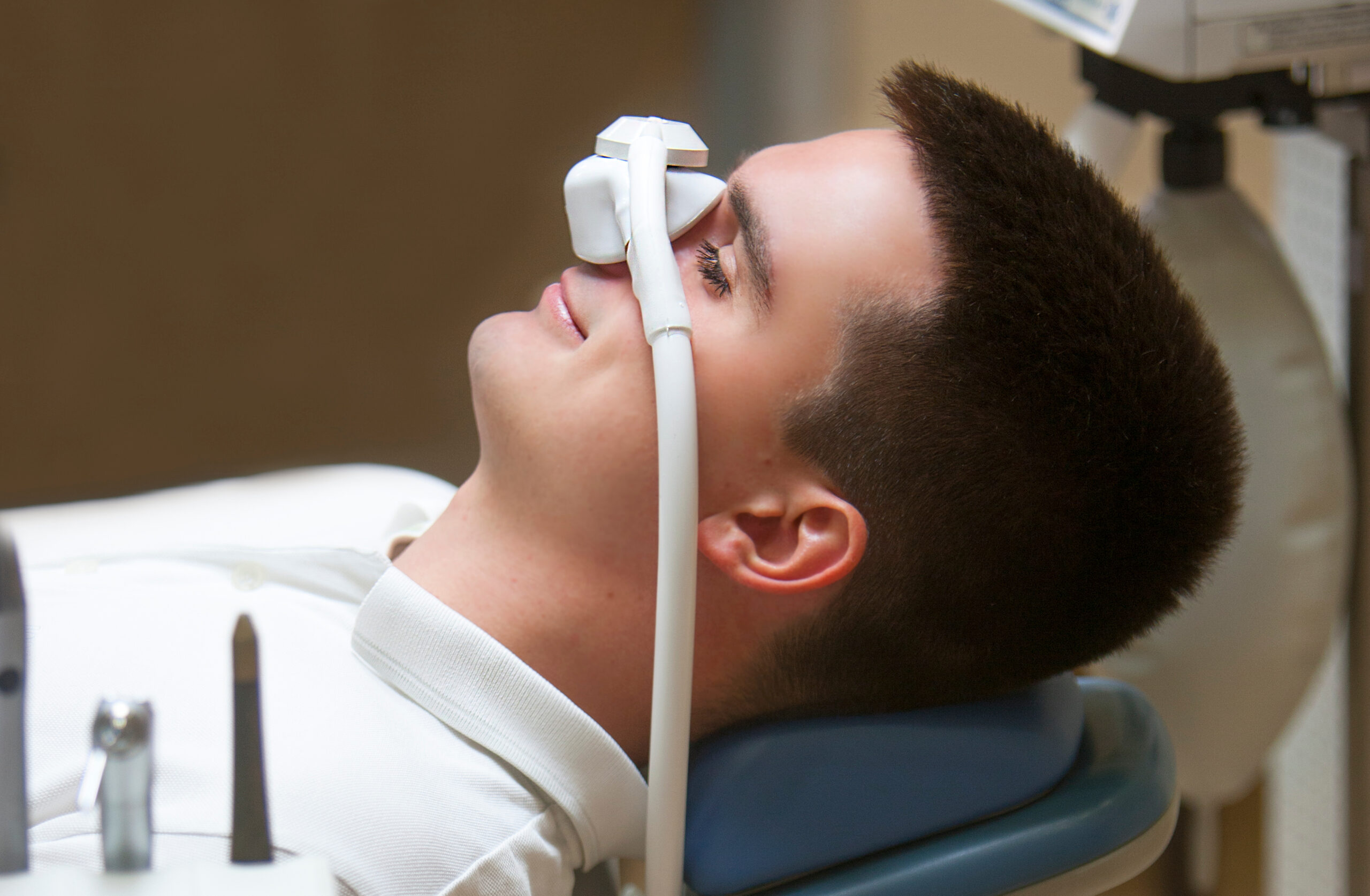
Proper anesthesia is central to a comfortable wisdom tooth procedure. Our surgeons maintain Advanced Cardiac Life Support certification and use continuous monitoring equipment to ensure your safety during sedated procedures. This level of training and preparation allows us to safely treat patients with complex medical histories or high anxiety levels.

Most patients recover from wisdom tooth removal within a few days to a week. We provide detailed post-operative instructions covering pain management, swelling reduction, and proper wound care. Following these guidelines carefully helps prevent complications and promotes faster healing. Our team remains available to address any concerns during your recovery period.
Common recovery experiences include mild swelling, manageable discomfort, and temporary dietary restrictions. These symptoms improve steadily over the first few days. We schedule follow-up appointments to monitor your healing and ensure optimal outcomes.